Nimrod Maua
The Man Who Carries the Weight of Service
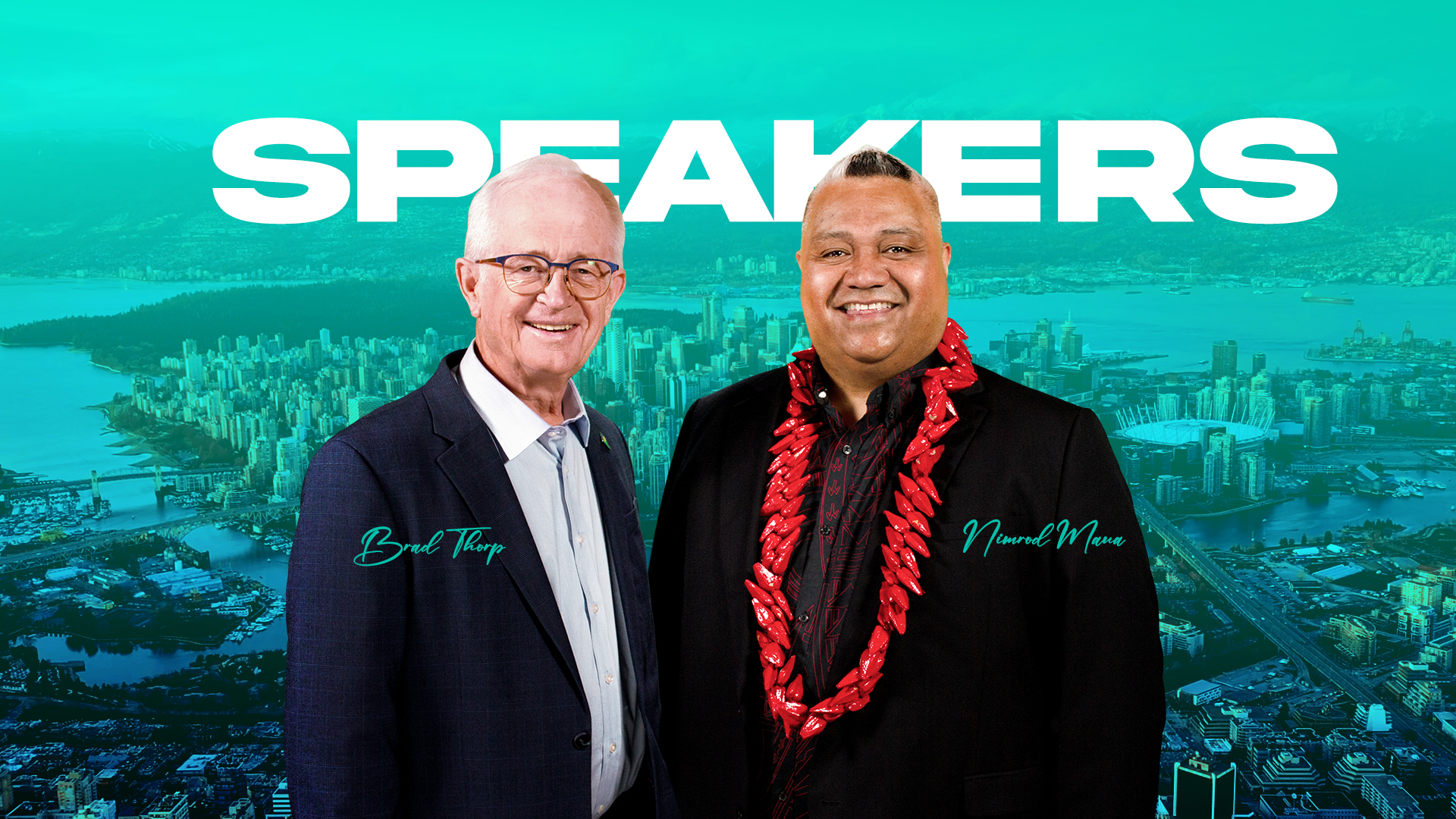
There is a necklace that Nimrod Maua never takes off when he stands before an audience. In Samoa, it is called an Ulafala. He never steps onto a stage without it. It is not a piece of jewelry. It is not an ornament. It is a reminder.
His mother placed it around his neck and impressed upon him a truth that has shaped everything he has done ever since: “O le ala i le pule o le tautua” — the pathway to leadership is through service.
In Samoan culture, the Ulafala is worn by leaders, village chiefs, and those entrusted with the care of their people. But it is not worn as a symbol of status or power. It is worn as a reminder that leadership is a sacred responsibility.
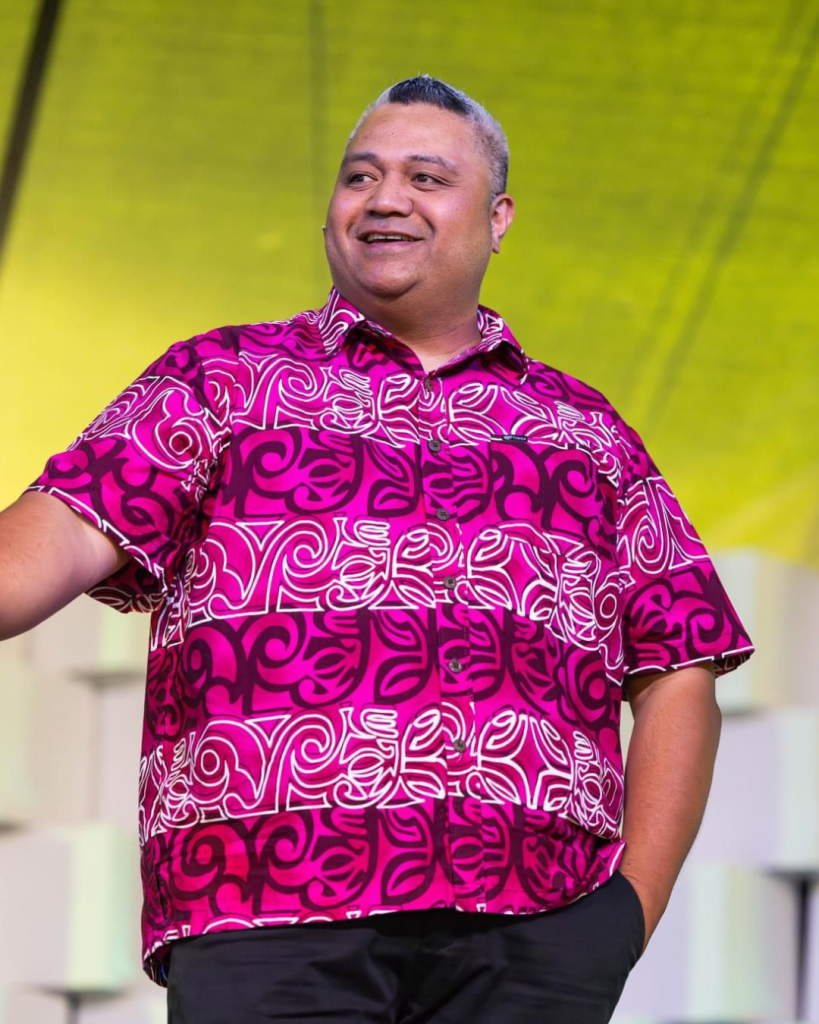
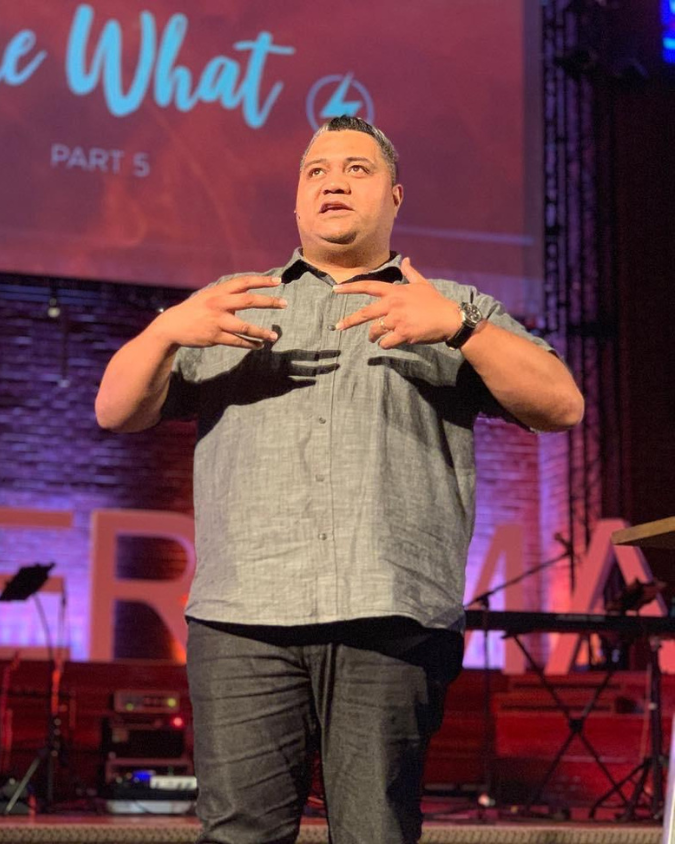
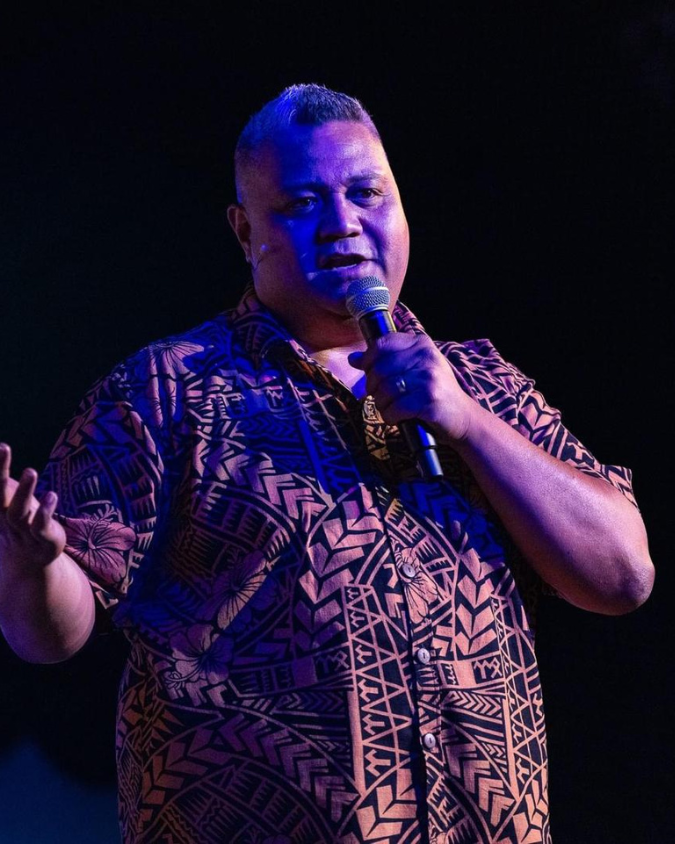
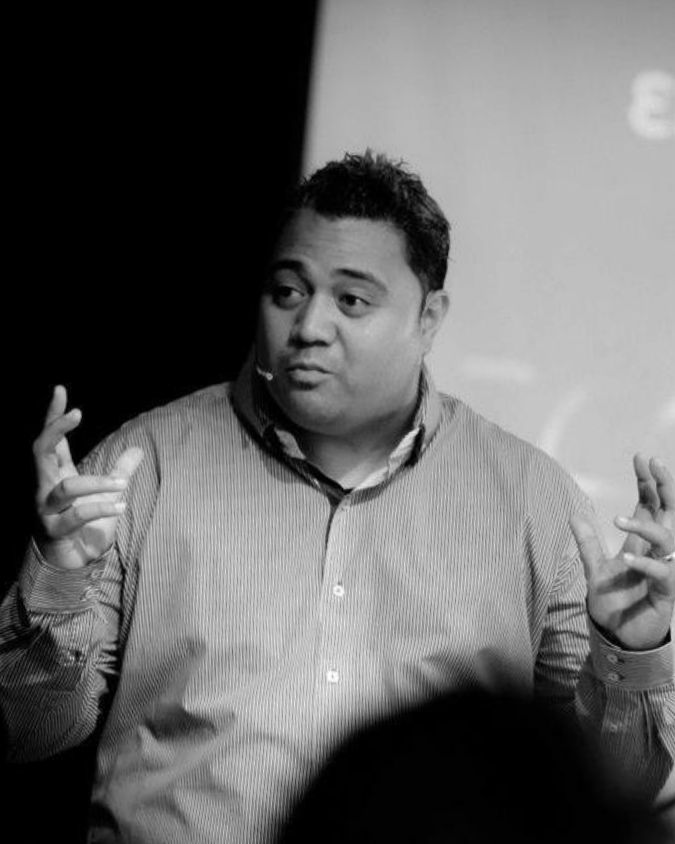
His mother would often tell him, “Never let the Ulafala become a crown. Let it always remind you why you are here.” Every time he places it around his neck, he remembers: the one who wears the Ulafala does not sit at the head of the table to be served. He stands at the door to welcome everyone else in.
Nimrod Maua grew up in Australia, but his heritage is from Samoa — those South Pacific islands where the ocean is bluer than any blue you have ever seen, and where communal life is not a choice, but a way of existing. In Samoa, no one eats alone. No one cries alone. No one belongs to themselves before they belong to their community. Nimrod carries this in his skin, in his voice, in the way he walks into a room and makes every single person feel like they were exactly who he was waiting for.
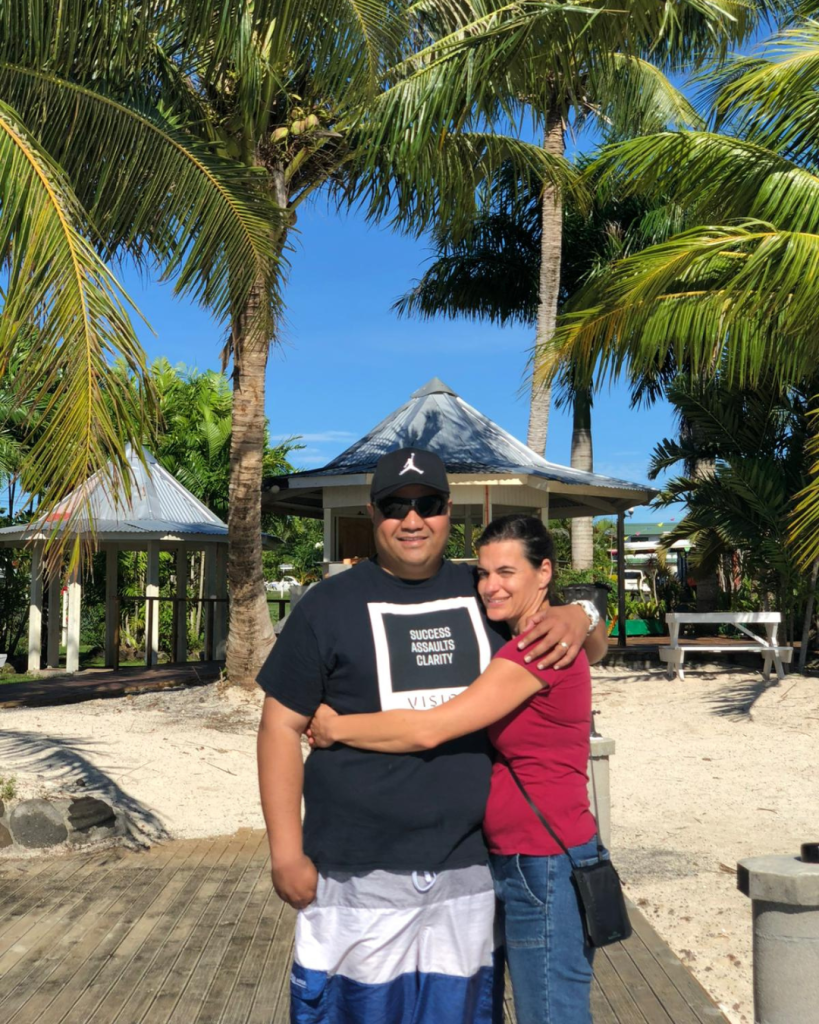
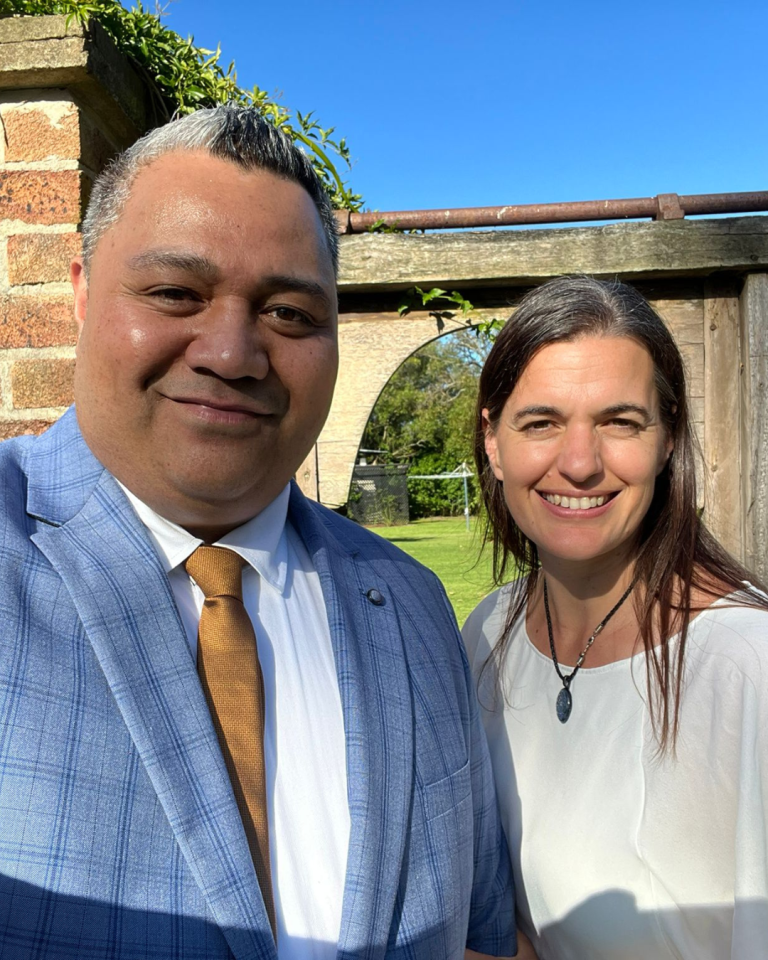
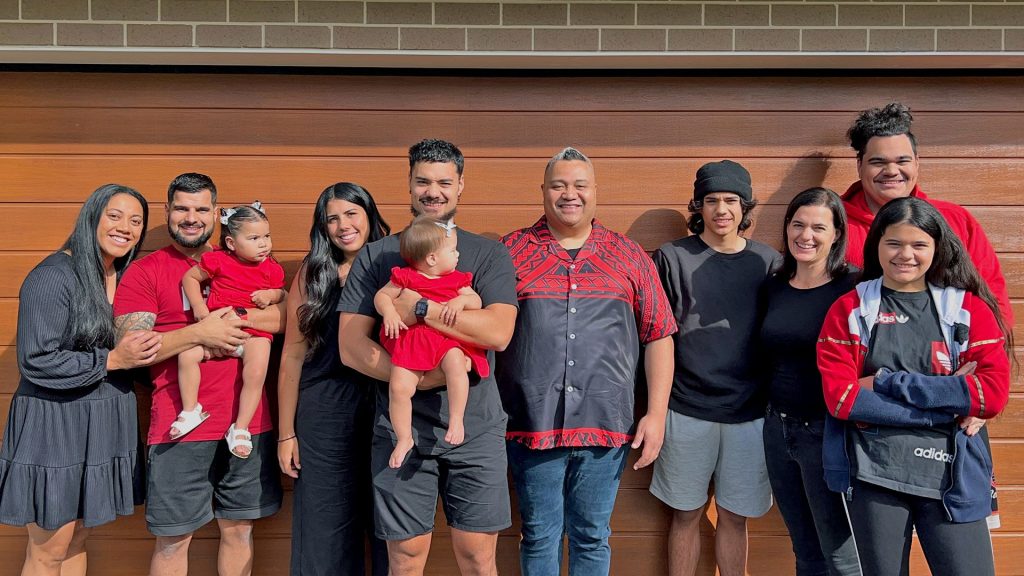
Over the course of more than 20 years, his journey has taken him from New Zealand to Australia, and from Australia to Canada. Along the way, he has had the privilege of speaking in more than 15 countries while leading communities through the full spectrum of the human experience: grief and celebration, doubt and discovery, crisis and renewal. He is a husband to Renae, the father of five children, and the proud grandfather of five grandchildren — yet through every season of life and ministry, he has never forgotten what it feels like to be the outsider looking in — the stranger wondering if there is a place for them at the table.
In 2022, Nimrod and his family arrived in British Columbia to lead one of the most vibrant communities in the Fraser Valley — a gathering of nearly 1,000 people built on the radical premise that community should feel less like an institution and more like a family. Under his leadership, that place became known for something that cannot be easily explained, but that anyone who has walked through its doors recognizes immediately: the feeling that you were expected. That someone saved a seat for you.
That is the gift Nimrod brings to Discover Hope.
He is not coming to Canada’s stages to deliver a lecture. He is coming to start a conversation — the kind that begins with the questions people are already asking in their cars, in their kitchens, at 3 a.m. when the world feels too heavy and too uncertain. Questions about the future. About what ancient prophecies actually say about the moment we are living in right now. About whether the chaos of our world is random, or whether it is the final chapter of a story written long before any of us were born.
Nimrod speaks to the sceptic and the seeker with equal warmth. He does not ask you to believe before you arrive. He asks only that you come with your questions — and he promises that you will leave with more than you expected.
His message, at its core, is the same one he has carried across three countries and 20 years of service: No matter where you come from, what you have done, or how long you have been searching — hope is not something that runs out. And it is closer than you think.
Nimrod Maua is the voice of Discover Hope that will make you feel, perhaps for the first time in a long time, that you are not alone.
And the necklace? It is there every time he steps onto a stage. Without exception. Because the pathway to leadership is still, and will always be, through service.